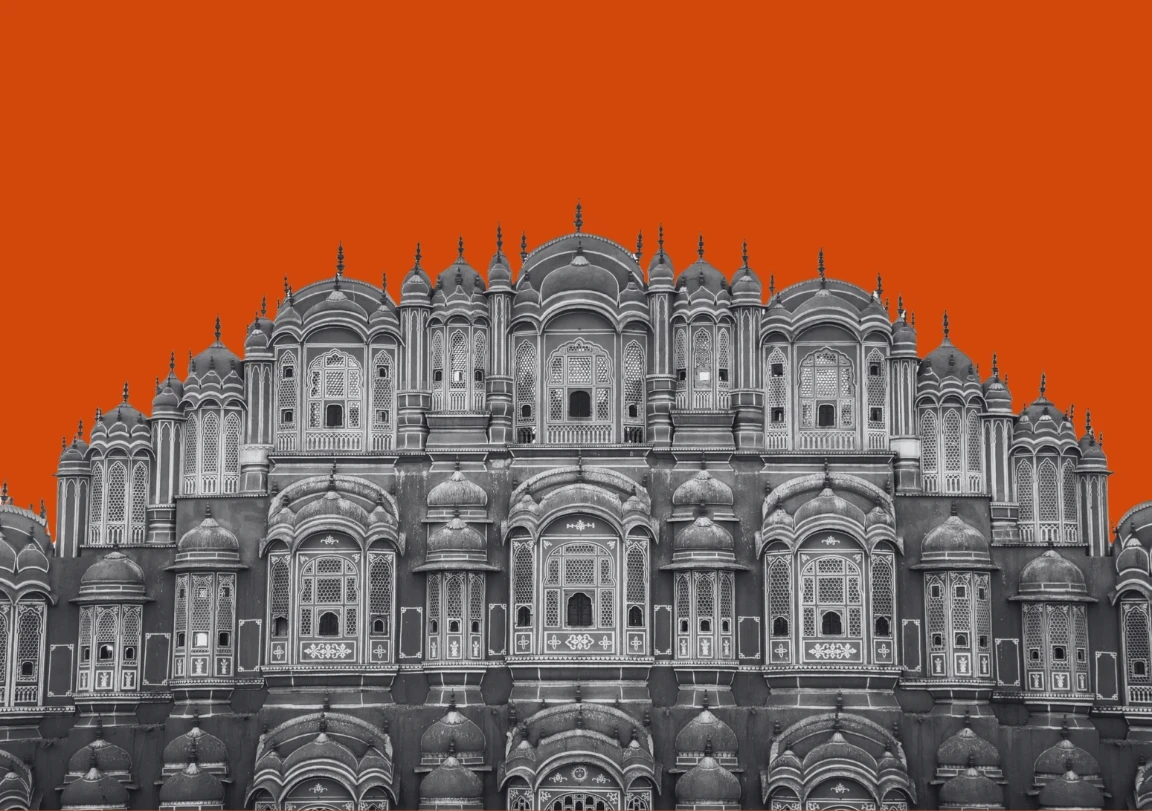
About The Hind Scholars
The Hind Scholars Programme is the flagship academic offering of The Hind School. It is a rigorous, interdisciplinary programme designed to deepen the study of India through classroom learning, immersive fieldwork, and guided dialogue. The programme brings together a structured curriculum, regional experiences, and mentorship to help participants develop a precise and grounded understanding of India’s ideas, institutions, and contemporary transformations.
Built on global standards of academic excellence and informed by India’s unique diversity, the Hind Scholars Programme provides the intellectual and experiential foundation required to study the country with seriousness, clarity, and purpose.
Programme Overview
1. Academics and Structured Inquiry
A multidisciplinary curriculum covering India’s history, politics, society, culture, economy, and public institutions. Courses are led by faculty, practitioners, and subject experts.
2. Field Immersion Across India
Regional hubs in the North, West, South, East, and Northeast anchor immersive experiences where participants engage with communities, institutions, and lived realities.
3. Mentorship, Dialogue, and Research Skills
Dialogue labs, writing workshops, and mentorship from academics and practitioners build analytical, communication, and leadership abilities essential for India-focused careers.
REAL MENTORS. REAL LEARNING.
REAL MENTORS. REAL LEARNING.
REAL MENTORS. REAL LEARNING.
Academic Pillars
Field Immersion
Structured regional immersions expose scholars to institutional practices, community contexts, and lived realities across India, reinforcing classroom learning through informed observation and contextual analysis.
Field Immersion
Structured regional immersions expose scholars to institutional practices, community contexts, and lived realities across India, reinforcing classroom learning through informed observation and contextual analysis.
Field Immersion
Structured regional immersions expose scholars to institutional practices, community contexts, and lived realities across India, reinforcing classroom learning through informed observation and contextual analysis.
Interdisciplinary Study
A curriculum integrating history, politics, economics, culture, and society equips scholars with a coherent, multi-dimensional framework for understanding India’s complexity and landscape.
Interdisciplinary Study
A curriculum integrating history, politics, economics, culture, and society equips scholars with a coherent, multi-dimensional framework for understanding India’s complexity and landscape.
Interdisciplinary Study
A curriculum integrating history, politics, economics, culture, and society equips scholars with a coherent, multi-dimensional framework for understanding India’s complexity and landscape.
Case-Based Education
Scholars engage with analytically designed cases on India to develop disciplined reasoning, apply evidence systematically, and interpret institutional, social, and cultural dynamics comprehensively.
Case-Based Education
Scholars engage with analytically designed cases on India to develop disciplined reasoning, apply evidence systematically, and interpret institutional, social, and cultural dynamics comprehensively.
Case-Based Education
Scholars engage with analytically designed cases on India to develop disciplined reasoning, apply evidence systematically, and interpret institutional, social, and cultural dynamics comprehensively.
Guided Inquiry
Each scholar receives continuous academic and professional mentorship that strengthens intellectual clarity, supports disciplined inquiry, and guides purposeful engagement.
Guided Inquiry
Each scholar receives continuous academic and professional mentorship that strengthens intellectual clarity, supports disciplined inquiry, and guides purposeful engagement.
Guided Inquiry
Each scholar receives continuous academic and professional mentorship that strengthens intellectual clarity, supports disciplined inquiry, and guides purposeful engagement.
THE HIND CURRICULUM
THE HIND CURRICULUM
THE HIND CURRICULUM
Every sunrise introduces a new question: What can India teach us today?
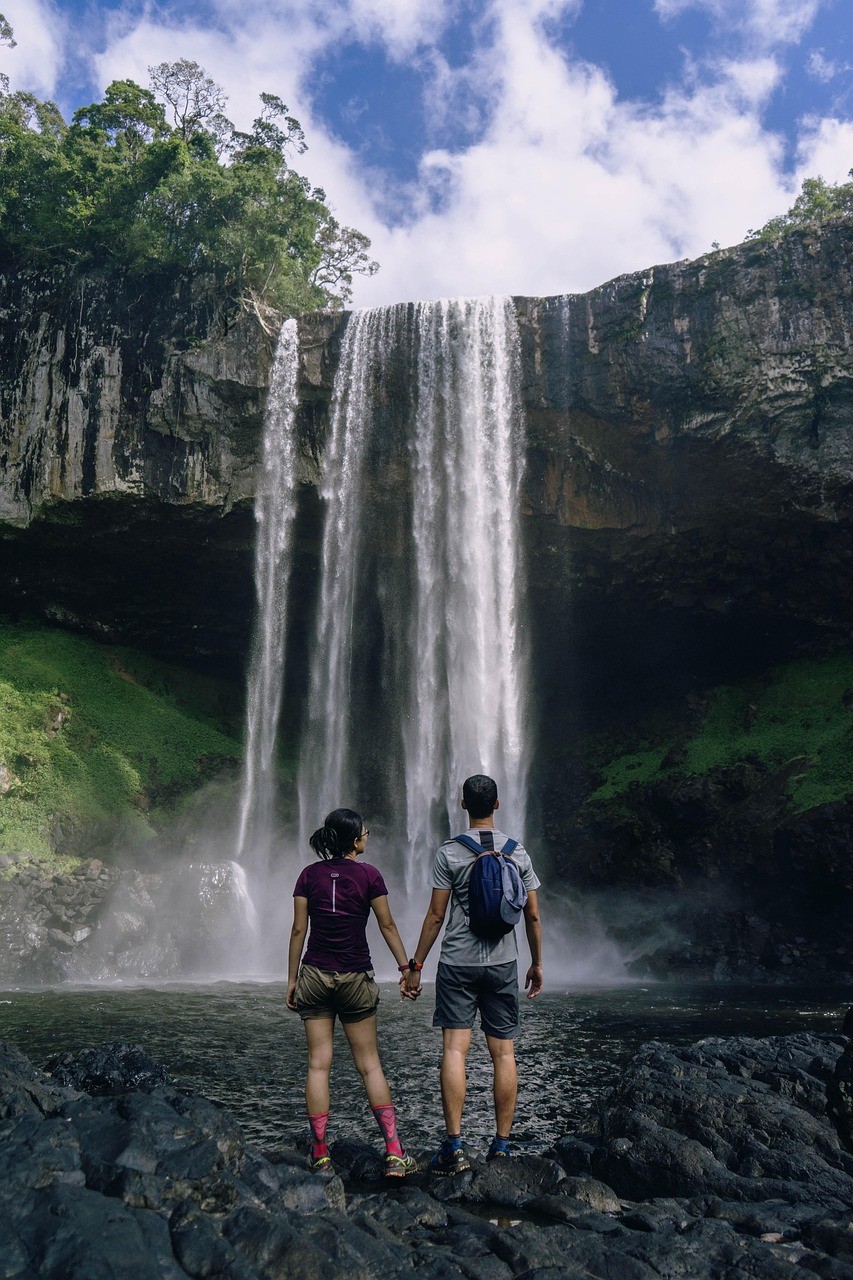

Real-world exposure in communities, institutions, and industries.
Real-world exposure in communities, institutions, and industries.
Real-world exposure in communities, institutions, and industries.
Learning Beyond Walls The Hind Scholars travel to 20+ cities over 100 days.
Students maintain a field journal and submit analytical essays.
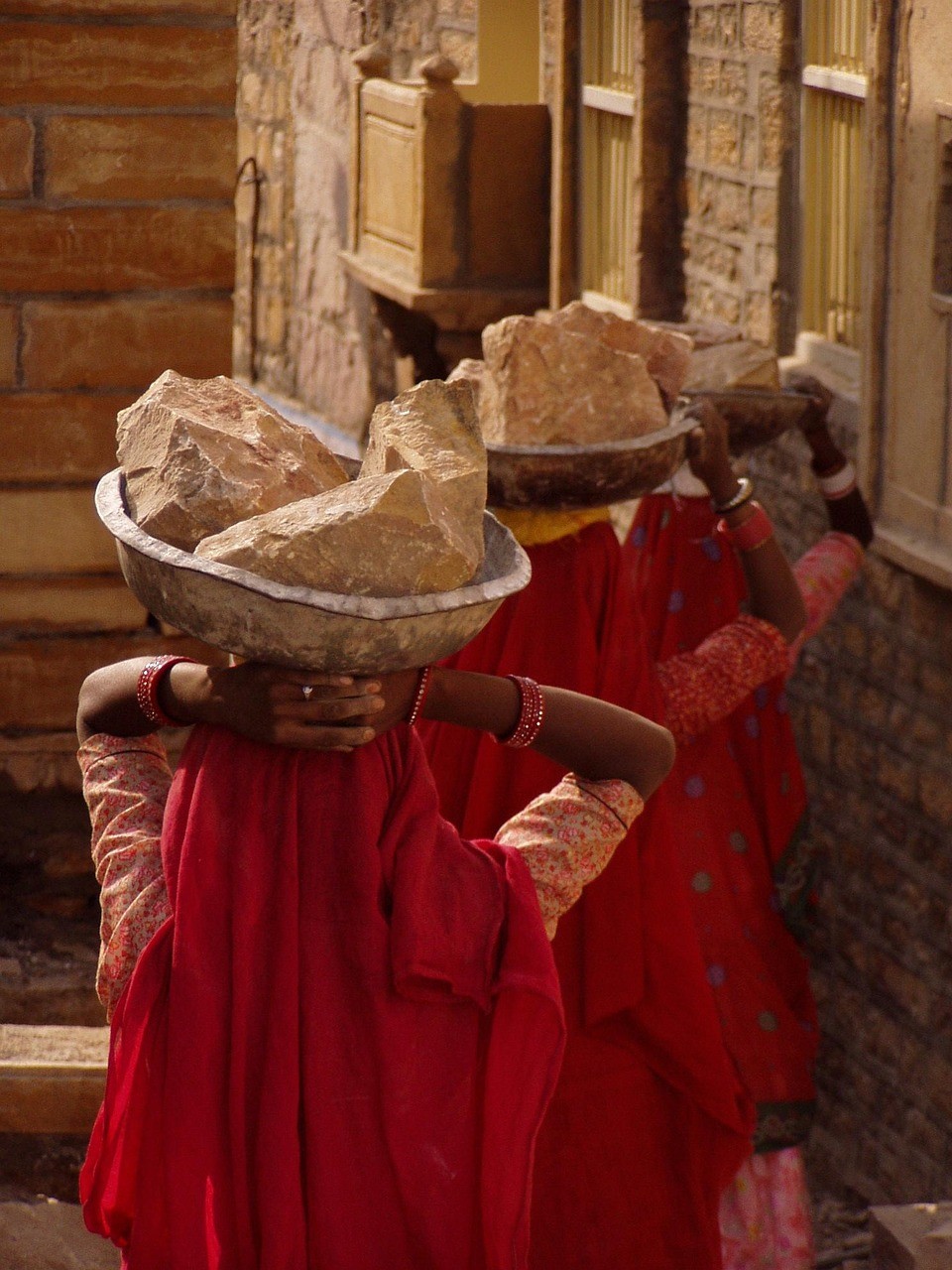

Masterclasses
Delivered by leading scholars and practitioners from across India.
Six Days. Six Themes. One Living Classroom.
Six Days. Six Themes. One Living Classroom.
Six Days. Six Themes. One Living Classroom.
Thematic Subjects
The Hind Scholars Programme is built on a structured set of thematic subjects that provide a comprehensive foundation for understanding India.
Public Policy and Governance
A study of policy design, state capacity, administrative institutions, regulatory systems, and the evolving governance landscape across India.
Public Policy and Governance
A study of policy design, state capacity, administrative institutions, regulatory systems, and the evolving governance landscape across India.
Public Policy and Governance
A study of policy design, state capacity, administrative institutions, regulatory systems, and the evolving governance landscape across India.
Society and Change
An exploration of India’s social structures, identities, demographic shifts, urbanisation, inequality, and community dynamics shaping contemporary society.
Society and Change
An exploration of India’s social structures, identities, demographic shifts, urbanisation, inequality, and community dynamics shaping contemporary society.
Society and Change
An exploration of India’s social structures, identities, demographic shifts, urbanisation, inequality, and community dynamics shaping contemporary society.
Foreign Affairs
An examination of India’s external engagements, strategic partnerships, regional diplomacy, global positioning, and emerging geopolitical challenges.
Foreign Affairs
An examination of India’s external engagements, strategic partnerships, regional diplomacy, global positioning, and emerging geopolitical challenges.
Foreign Affairs
An examination of India’s external engagements, strategic partnerships, regional diplomacy, global positioning, and emerging geopolitical challenges.
Regional Module
This subject examines the social, economic, cultural, and institutional diversity that defines different regions of India.
Regional Module
This subject examines the social, economic, cultural, and institutional diversity that defines different regions of India.
Regional Module
This subject examines the social, economic, cultural, and institutional diversity that defines different regions of India.
Technology and Society
A study of technological transformation, digital governance, innovation ecosystems, and the societal implications of rapid technological change in India.
Technology and Society
A study of technological transformation, digital governance, innovation ecosystems, and the societal implications of rapid technological change in India.
Technology and Society
A study of technological transformation, digital governance, innovation ecosystems, and the societal implications of rapid technological change in India.
Data for Social Scientists
An applied focus on data literacy, statistical tools, research methods, and analytical frameworks required to study India.
Data for Social Scientists
An applied focus on data literacy, statistical tools, research methods, and analytical frameworks required to study India.
Data for Social Scientists
An applied focus on data literacy, statistical tools, research methods, and analytical frameworks required to study India.
Indian Economy
A study of economic reforms, industry systems, markets, trade relations, development challenges, and the forces shaping India’s economic trajectory.
Indian Economy
A study of economic reforms, industry systems, markets, trade relations, development challenges, and the forces shaping India’s economic trajectory.
Indian Economy
A study of economic reforms, industry systems, markets, trade relations, development challenges, and the forces shaping India’s economic trajectory.
Rural Economy
This subject examines the structures, livelihoods, markets, and institutions that shape rural India, focusing on economic participation and development pathways.
Rural Economy
This subject examines the structures, livelihoods, markets, and institutions that shape rural India, focusing on economic participation and development pathways.
Rural Economy
This subject examines the structures, livelihoods, markets, and institutions that shape rural India, focusing on economic participation and development pathways.
Sustainability
An analysis of India’s environmental challenges, climate policy, energy transitions, ecological systems, and sustainable pathways.
Sustainability
An analysis of India’s environmental challenges, climate policy, energy transitions, ecological systems, and sustainable pathways.
Sustainability
An analysis of India’s environmental challenges, climate policy, energy transitions, ecological systems, and sustainable pathways.
History and Civilisation
A survey of India’s civilisational foundations, historical transitions, cultural continuities, intellectual traditions, and their relevance to contemporary national life.
History and Civilisation
A survey of India’s civilisational foundations, historical transitions, cultural continuities, intellectual traditions, and their relevance to contemporary national life.
History and Civilisation
A survey of India’s civilisational foundations, historical transitions, cultural continuities, intellectual traditions, and their relevance to contemporary national life.
Art and Culture
An exploration of India’s artistic traditions, cultural practices, aesthetic histories, and creative sectors as expressions of identity and social meaning.
Art and Culture
An exploration of India’s artistic traditions, cultural practices, aesthetic histories, and creative sectors as expressions of identity and social meaning.
Art and Culture
An exploration of India’s artistic traditions, cultural practices, aesthetic histories, and creative sectors as expressions of identity and social meaning.
Cinema and Society
A study of Indian cinema as a cultural, political, and social text, examining film’s role in shaping imagination, identity, and public discourse.
Cinema and Society
A study of Indian cinema as a cultural, political, and social text, examining film’s role in shaping imagination, identity, and public discourse.
Cinema and Society
A study of Indian cinema as a cultural, political, and social text, examining film’s role in shaping imagination, identity, and public discourse.
CITY NETWORK
CITY NETWORK
CITY NETWORK
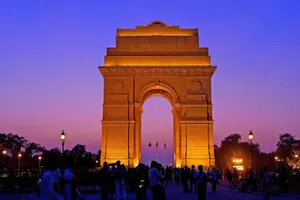
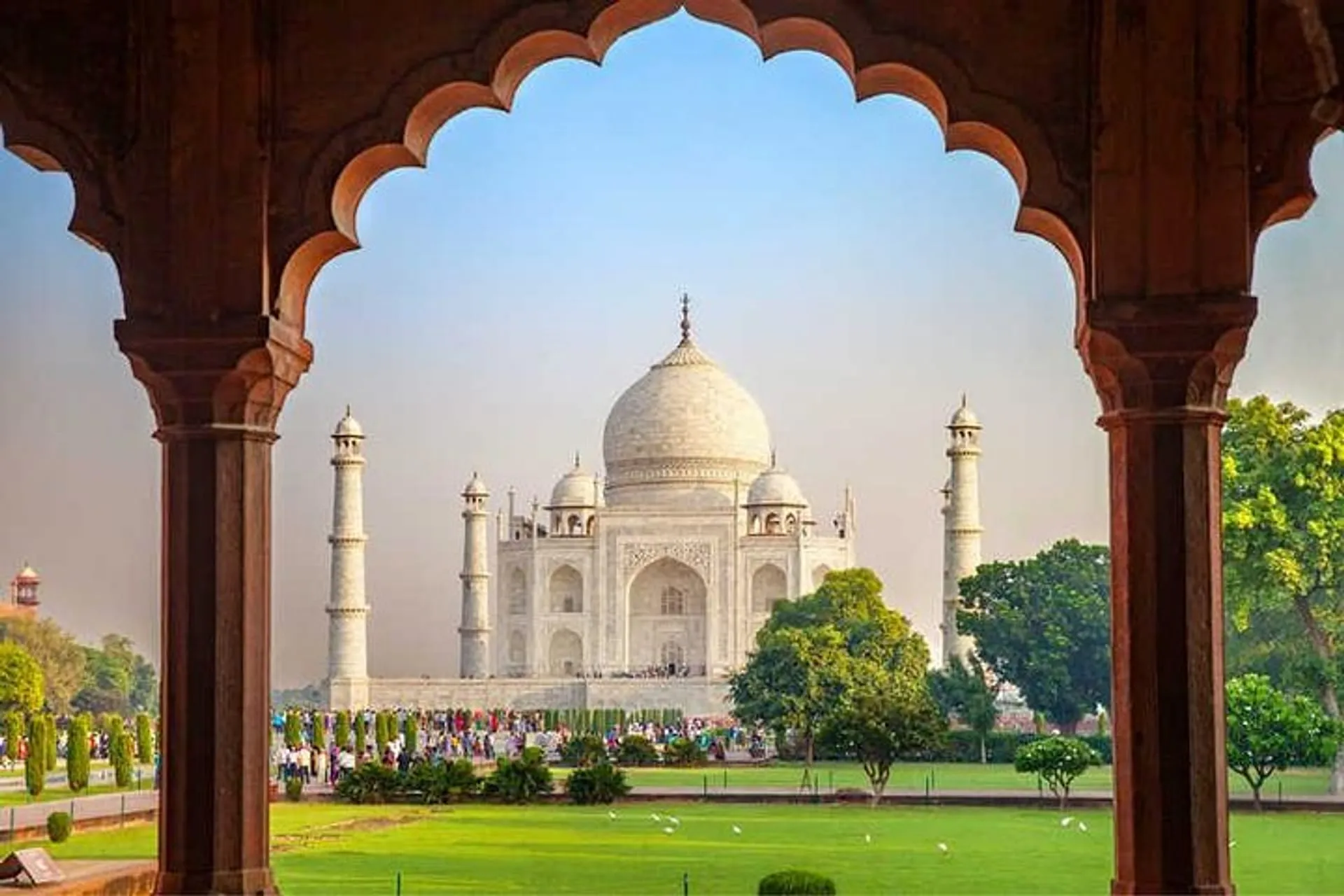
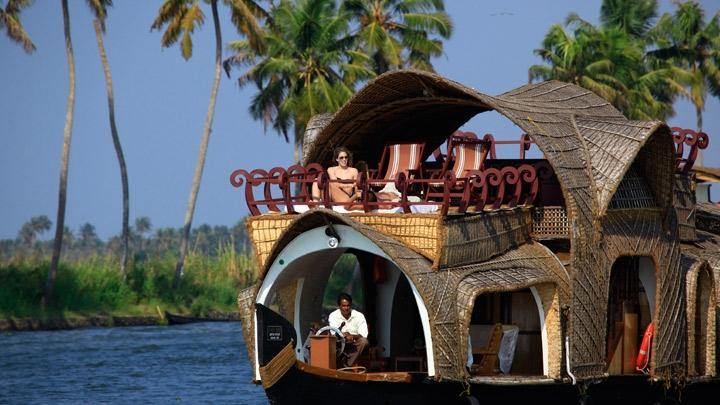
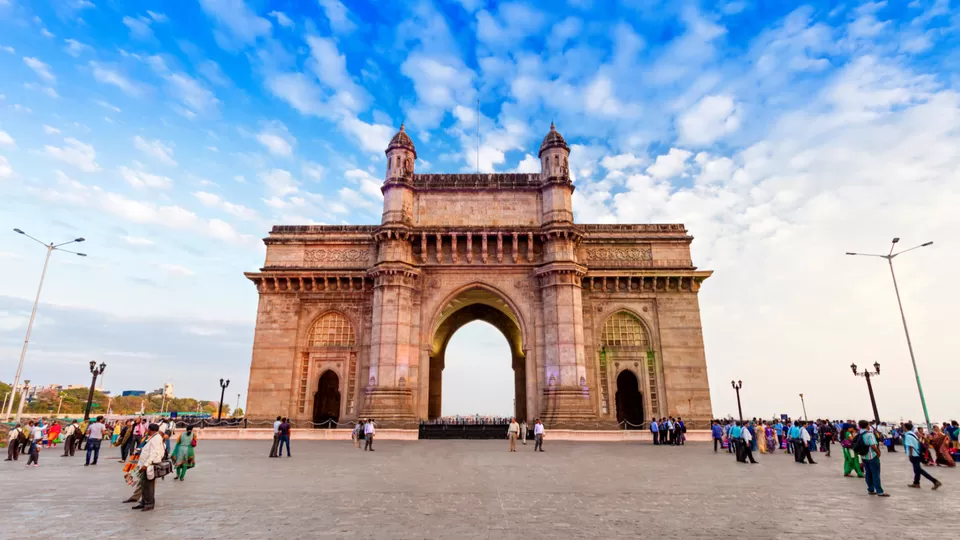
IMMERSION to 20+ Cities across india.
At The Hind School, every immersion is a self-contained academic journey, a deep, lived experience of India through its cities, stories, and systems. Each city experience is designed as an interdisciplinary study in motion, combining lectures, mentorship, and field exploration.
IMMERSIVE LEARNING AT THE HIND SCHOOL
IMMERSIVE LEARNING AT THE HIND SCHOOL
IMMERSIVE LEARNING AT THE HIND SCHOOL
Experiential Learning
From field immersions and culture walks to research studios and reflective circles, discover learning that goes beyond classrooms. Each Hind class is a 4-hour experiential journey designed to connect intellect with experience.





Frequently Asked Questions
Choosing the right academic experience often begins with the right information. This section answers common questions about admissions, eligibility, scholarships, programme design, and institutional policies at The Hind School. It is intended to help prospective participants make informed decisions before applying.
What is the Hind PGP: 100 Days in India?
The Hind PGP is an intensive, postgraduate-level immersion that introduces participants to contemporary India through a 100-day journey combining academic seminars, guided fieldwork, cultural exploration, and region-to-region travel.
Who is eligible to apply for the programme?
The programme welcomes students, recent graduates, early-career professionals, and lifelong learners who demonstrate intellectual curiosity, openness, and a genuine interest in understanding India in depth.
What will I learn during the 100-day immersion?
Participants engage with India’s political systems, economic transitions, cultural practices, creative industries, and regional diversities through a blend of seminars, institutional visits, practitioner dialogues, and reflective study.
How is the programme structured across regions?
The 100 days are organised around curated regional hubs, each offering a distinct academic theme and set of field experiences. Participants travel in guided cohorts, engaging with cities, communities, and institutions that illuminate India’s contemporary realities.
Does the programme require continuous travel for all 100 days?
Yes, travel is central to the learning experience. Movement across regions is thoughtfully paced, with structured days for academic work, field immersion, reflection, and rest to ensure both depth and balance.
Which regions and cities will the cohort visit?
Each edition includes a carefully selected combination of hubs across North, West, South, East, and Northeast India, allowing participants to encounter a wide spectrum of cultural, economic, and institutional settings.
How academically and physically intensive is the programme?
The programme is rigorous, immersive, and designed to challenge participants intellectually and experientially. Days typically include seminars, readings, fieldwork, and reflective writing, balanced with time for rest and personal study.
Who are the faculty members and field mentors guiding the programme?
Participants learn from a distinguished network of scholars, policymakers, entrepreneurs, cultural practitioners, and field experts who provide academic instruction, contextual insight, and on-ground mentorship.
Do I need a background in India Studies or the social sciences to apply?
No specialised academic background is required. The programme is open to learners from all disciplines who are motivated by curiosity, seriousness of purpose, and a desire to understand India through both study and experience.
What outcomes can I expect after completing the programme?
Graduates develop a nuanced, field-tested understanding of India; strengthened analytical and reflective abilities; and an expanded professional and intellectual network that supports future academic, civic, and career pathways.
When do admissions open?
Admissions for the Hind PGP open in June, with selection based on intellectual promise, motivation, and alignment with the programme’s field-based ethos.
Is financial assistance available for selected candidates?
Yes. The Hind School offers both need-based and merit-based funding to ensure that exceptional candidates and deserving applicants can participate fully in the 100-day immersion, regardless of financial background.
What is the Hind PGP: 100 Days in India?
The Hind PGP is an intensive, postgraduate-level immersion that introduces participants to contemporary India through a 100-day journey combining academic seminars, guided fieldwork, cultural exploration, and region-to-region travel.
Who is eligible to apply for the programme?
The programme welcomes students, recent graduates, early-career professionals, and lifelong learners who demonstrate intellectual curiosity, openness, and a genuine interest in understanding India in depth.
What will I learn during the 100-day immersion?
Participants engage with India’s political systems, economic transitions, cultural practices, creative industries, and regional diversities through a blend of seminars, institutional visits, practitioner dialogues, and reflective study.
How is the programme structured across regions?
The 100 days are organised around curated regional hubs, each offering a distinct academic theme and set of field experiences. Participants travel in guided cohorts, engaging with cities, communities, and institutions that illuminate India’s contemporary realities.
Does the programme require continuous travel for all 100 days?
Yes, travel is central to the learning experience. Movement across regions is thoughtfully paced, with structured days for academic work, field immersion, reflection, and rest to ensure both depth and balance.
Which regions and cities will the cohort visit?
Each edition includes a carefully selected combination of hubs across North, West, South, East, and Northeast India, allowing participants to encounter a wide spectrum of cultural, economic, and institutional settings.
How academically and physically intensive is the programme?
The programme is rigorous, immersive, and designed to challenge participants intellectually and experientially. Days typically include seminars, readings, fieldwork, and reflective writing, balanced with time for rest and personal study.
Who are the faculty members and field mentors guiding the programme?
Participants learn from a distinguished network of scholars, policymakers, entrepreneurs, cultural practitioners, and field experts who provide academic instruction, contextual insight, and on-ground mentorship.
Do I need a background in India Studies or the social sciences to apply?
No specialised academic background is required. The programme is open to learners from all disciplines who are motivated by curiosity, seriousness of purpose, and a desire to understand India through both study and experience.
What outcomes can I expect after completing the programme?
Graduates develop a nuanced, field-tested understanding of India; strengthened analytical and reflective abilities; and an expanded professional and intellectual network that supports future academic, civic, and career pathways.
When do admissions open?
Admissions for the Hind PGP open in June, with selection based on intellectual promise, motivation, and alignment with the programme’s field-based ethos.
Is financial assistance available for selected candidates?
Yes. The Hind School offers both need-based and merit-based funding to ensure that exceptional candidates and deserving applicants can participate fully in the 100-day immersion, regardless of financial background.
What is the Hind PGP: 100 Days in India?
The Hind PGP is an intensive, postgraduate-level immersion that introduces participants to contemporary India through a 100-day journey combining academic seminars, guided fieldwork, cultural exploration, and region-to-region travel.
Who is eligible to apply for the programme?
The programme welcomes students, recent graduates, early-career professionals, and lifelong learners who demonstrate intellectual curiosity, openness, and a genuine interest in understanding India in depth.
What will I learn during the 100-day immersion?
Participants engage with India’s political systems, economic transitions, cultural practices, creative industries, and regional diversities through a blend of seminars, institutional visits, practitioner dialogues, and reflective study.
How is the programme structured across regions?
The 100 days are organised around curated regional hubs, each offering a distinct academic theme and set of field experiences. Participants travel in guided cohorts, engaging with cities, communities, and institutions that illuminate India’s contemporary realities.
Does the programme require continuous travel for all 100 days?
Yes, travel is central to the learning experience. Movement across regions is thoughtfully paced, with structured days for academic work, field immersion, reflection, and rest to ensure both depth and balance.
Which regions and cities will the cohort visit?
Each edition includes a carefully selected combination of hubs across North, West, South, East, and Northeast India, allowing participants to encounter a wide spectrum of cultural, economic, and institutional settings.
How academically and physically intensive is the programme?
The programme is rigorous, immersive, and designed to challenge participants intellectually and experientially. Days typically include seminars, readings, fieldwork, and reflective writing, balanced with time for rest and personal study.
Who are the faculty members and field mentors guiding the programme?
Participants learn from a distinguished network of scholars, policymakers, entrepreneurs, cultural practitioners, and field experts who provide academic instruction, contextual insight, and on-ground mentorship.
Do I need a background in India Studies or the social sciences to apply?
No specialised academic background is required. The programme is open to learners from all disciplines who are motivated by curiosity, seriousness of purpose, and a desire to understand India through both study and experience.
What outcomes can I expect after completing the programme?
Graduates develop a nuanced, field-tested understanding of India; strengthened analytical and reflective abilities; and an expanded professional and intellectual network that supports future academic, civic, and career pathways.
When do admissions open?
Admissions for the Hind PGP open in June, with selection based on intellectual promise, motivation, and alignment with the programme’s field-based ethos.
Is financial assistance available for selected candidates?
Yes. The Hind School offers both need-based and merit-based funding to ensure that exceptional candidates and deserving applicants can participate fully in the 100-day immersion, regardless of financial background.